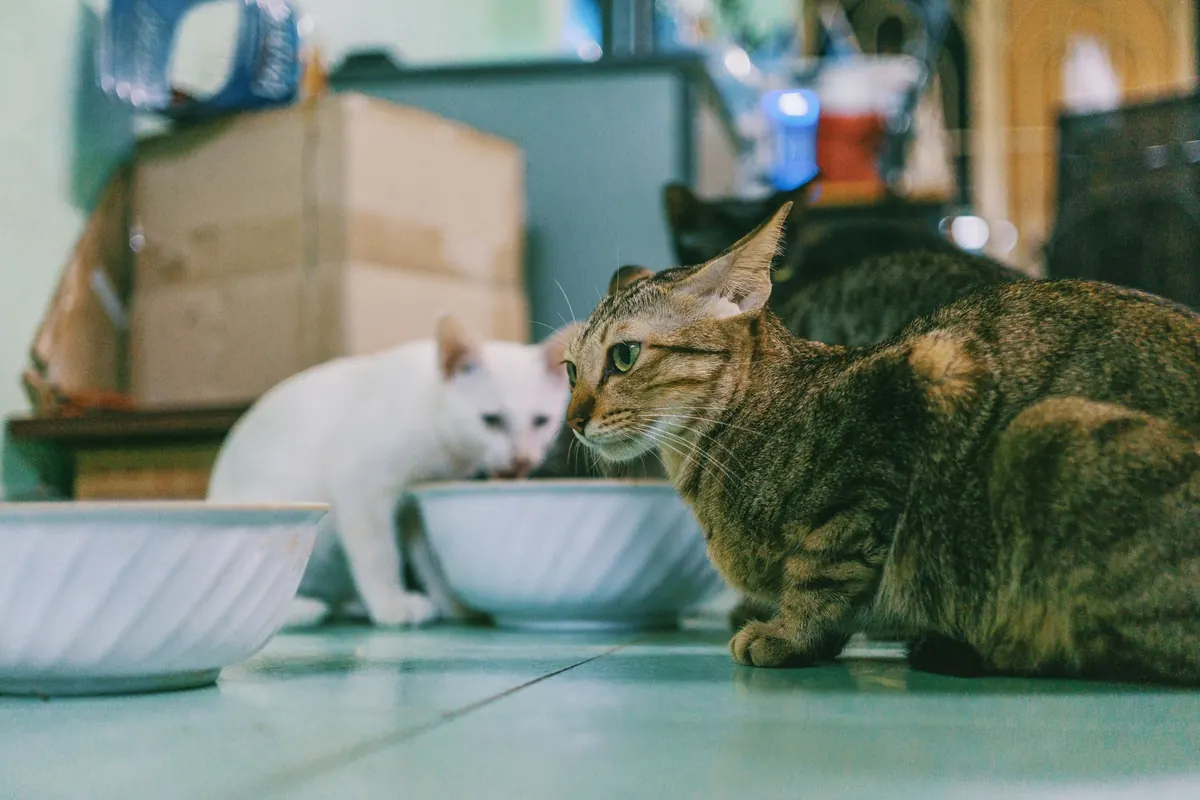
The suitcase is open on the bed, the holiday is booked, and your cat is asleep on the clean laundry as if nothing is about to change. Then comes the decision: cattery or pet sitter? Both can work beautifully for the right cat in the right circumstances, and the answer usually comes down to four things — cost, stress, routine and the sort of cat you live with.
How a cattery works
A cattery is a purpose-built boarding setup. Your cat gets its own pen, typically an indoor sleeping area with a covered run attached. Staff feed, refresh water, clean litter and keep an eye on appetite and behaviour, often twice a day, with play sessions or grooming offered as extras at some places.
You drop off and collect at set times, and most catteries ask to see an up-to-date vaccination certificate. Medication can usually be given for an extra charge. Cats are housed individually unless they're from the same household and you ask for them to share. Peak weeks — school holidays, Christmas, bank holidays — fill up months in advance.
What a pet sitter does
There are two main types. Drop-in visits mean someone comes once or twice a day, sometimes more, to feed, top up water, scoop the tray and spend time with your cat. Live-in sitting means someone stays in your home overnight, which suits cats who like company and gives the house a lived-in look while you're away.
Either way, your cat stays on its own territory: its own smells, its own window, its own hiding places. Almost nothing changes except the human.
Cost: comparing like with like
Catteries usually charge per night, per cat, with a discount for a second cat sharing a pen, then add-ons for medication, holiday dates or extra playtime. Sitters usually charge per visit or per day.
Two visits a day for a fortnight adds up quickly. A live-in sitter can work out cheaper than boarding for a longer trip, and more expensive for a weekend. Rates vary enormously by area and by how far the sitter has to travel, so get two or three quotes before you commit. Then add the costs people forget: petrol, a taxi to the cattery, or replacing a cat flap that jammed while you were gone.
A money note: leave written details of your vet and a spending limit in case of an emergency. For anything involving insurance cover or a large bill, check your policy or speak to your insurer directly.
Stress and routine disruption
For a confident, sociable cat, a good cattery is often a non-event. It gets fed, warmed and fussed over, and comes home slightly bored but fine.
For a shy or anxious cat, it can be harder. Unfamiliar smells of other cats, strange voices, a different tray — some cats stop eating properly for the first day or two, and some hide at the back of the pen for a week.
A sitter wins on familiarity. Same bowl, same spot on the bed, same routine. The trade-off is that a nervous cat may barely see the sitter, so visits become a matter of food eaten and tray used rather than cuddles. And a stranger coming and going means doors get opened. If your cat is an escape artist, brief the sitter at length about windows, doors and the one trick your cat uses to slip past you.
Shy, elderly and outdoor cats
Shy cats
Home usually wins. A quiet house with visits from one consistent person beats a busy cattery block. If boarding is unavoidable, choose a small cattery, ask for a pen away from the door and other cats, and request that your cat is left alone except for feeding and cleaning.
Elderly cats and cats on medication
Older cats cope badly with change. A sitter who can give medication at the same times each day is often kinder, particularly for cats with arthritis or kidney problems. If your cat has a serious ongoing condition, ask your vet whether boarding or a sitter is appropriate for the length of trip you're planning, and which symptoms should prompt a phone call.
Outdoor cats
This is where a cattery often makes more sense. A cat used to roaming will want out the moment a sitter opens a door, and a cat that's out when the sitter arrives may miss the visit entirely. In a pen, it can't get lost, hit by a car or shut in a neighbour's shed. If your cat is strictly indoor, or has a secure garden it rarely leaves, a sitter is straightforward.
Questions to ask before you book
Of a cattery:
- Can I look around before booking, without it feeling like an ordeal?
- How many cats are there, and how are pens separated?
- Who checks the cats, how often, and who covers at night?
- Can you give medication, and what does it cost?
- What happens if a cat stops eating or seems unwell?
- What's the minimum booking, and when do I need vaccination records?
Of a pet sitter:
- How many visits a day, and how long is each visit really?
- Are you insured, and can I speak to another cat owner you've sat for?
- What happens if you're ill or your car breaks down?
- Will you send a photo or a quick message each day?
- How do you handle a cat that hides? Will you still confirm it's eating and using the tray?
Meet a sitter at your home before you go, and watch how your cat reacts. Cats are good judges of character.
A simple way to decide
Choose a cattery when your cat is outgoing and used to boarding or unbothered by change, when it roams outdoors, when you're travelling at short notice and need a guaranteed place, or when you want the reassurance of a professional setup with overnight cover.
Choose a sitter when your cat is shy, elderly or on daily medication, when it's an indoor cat with a settled routine, when you'd rather the house wasn't empty, and when you have time to meet and trust someone before you leave.
For long trips, a mix works well: a cattery for the first half and a sitter for the second, or a live-in sitter if your cat hates being alone. Whatever you pick, do a trial run — one night in the cattery, or a single visit while you're at work, weeks before the holiday. You'll learn more from your cat's reaction than from any comparison.
Photo: Daga_Roszkowska / Pixabay